Meet GLXi’s 2026 Class of Open Books, Open Minds Teachers
It is hard to believe that we are already two months into the school year in Guatemala! Just further proof that time flies when you are learning and having fun.
Last month, we provided a taste of what students were feeling and anticipating as schools once again filled with their presence. This month, we wanted to check in with our newest class of teacher trainees.
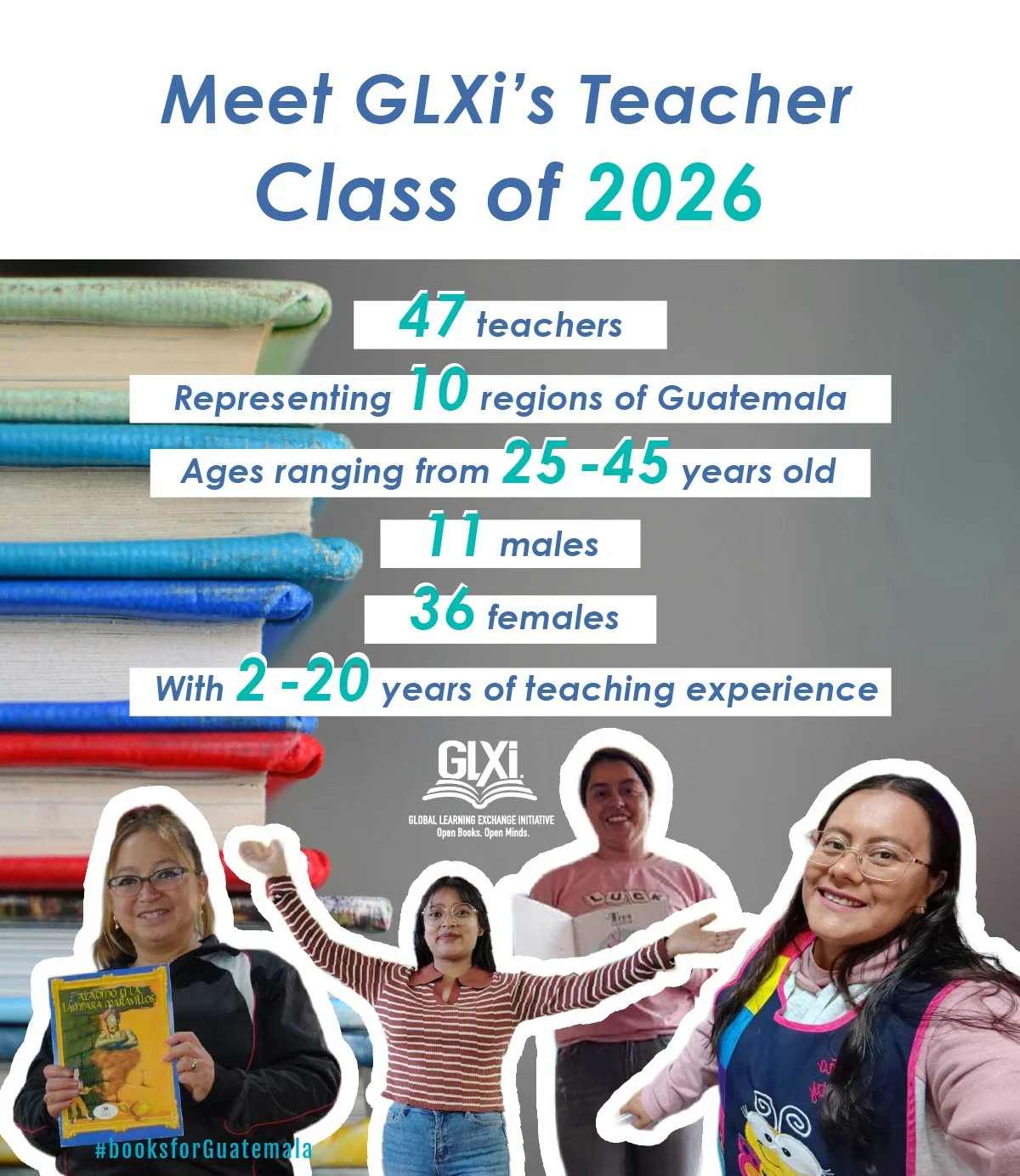
We have some amazing educators taking part in the 2026 Open Books, Open Minds (OBOM) program! These 47 teachers hail from 10 different regions of Guatemala, and range in age from 25 to 45 years old. Their experience level also varies: from 2 years of teaching to 20.
Already, they are showing an impressive desire to improve their teaching skillset so that they can improve educational outcomes for their students. We hope you enjoy learning about them, and about how our program is bringing new tools and opportunities to their classrooms.
Studying How Guatemalan Students Best Learn to Read and Write
So far, work in the OBOM training sessions has focused on better understanding how public school children in Guatemala learn to read and write, and what these students need to succeed.
One important message that GLXi has tried to impart is that reading and writing are not just about repeating letters or copying words.
Students need to understand what they are reading, and to be able to express their ideas clearly.
To achieve this, teachers need clear strategies, and children need daily practice.
This includes:
1.Supporting the child while they learn (guided reading and writing). Our trainings have focused on how the teacher can demonstrate, step by step, how to read a text, how to ask questions to understand it, and how to correctly write an idea. This is a moment when the teacher guides and directly supports the student.
Example: Having the teacher and student(s) read a short story together and discuss what happened, who the characters are, and what was learned from the story.
2. Giving students space for independent reading and writing. Teachers have also learned the importance of allowing students time to practice reading and writing on their own. Independent practice helps children develop confidence and begin to take responsibility for their learning. When students have the opportunity to explore texts and express their ideas independently, they strengthen both their comprehension and creativity.
Example:The teacher can have the student(s) choose a small book and then write a few lines about what they liked most about it.
3. Strengthening literacy and vocabulary. Literacy means learning to recognize letters, connect sounds, and form words. Vocabulary means knowing and understanding the meaning of words. Both are important for learning to read well, and we have emphasized in our trainings the need to establish both as building blocks in the classroom.
Example: The teacher could introduce games where the student(s) identifies the sound a word begins with, or learns new words from a reading.
4. Establishing a daily reading and writing routine. Teachers have discussed the importance of providing consistent opportunities for students to read and write every day. Regular practice helps children strengthen their skills over time and develop positive learning habits. Daily reading and writing activities allow students to apply what they have learned in a meaningful and continuous way.
Example: The teacher might set aside a specific time each day for silent reading or writing short stories.
5. Preparing the foundation for reading (school readiness). Trainings have covered the concept of “school readiness”. Before reading and writing fluently, children need to develop basic skills such as: Speaking and listening attentively, recognizing sounds in words, and developing good hand coordination for writing.
Example: The teacher can incorporate activities such as rhymes, word games, telling stories orally, or practicing strokes before writing complete letters.
GLXi’s researched-based teaching practices reflect the idea that learning to read and write well requires guidance, consistent practice, and strong foundations. When these areas are addressed in an organized and intentional way, children not only learn to read, but also learn to understand and think more effectively.
And we are excited. Because this new class of teachers, like those that came before them, seem to innately get this. They are motivated, they are focused, and they are receptive to what they are learning in their training sessions.
So, enough of us talking. Let’s hear from some of these teachers who we’ve been raving about!
We asked participating teachers to share their hopes and expectations as they delve into this year’s teacher training program. We thought you’d enjoy reading some of their responses.
What Our Teachers Are Saying…
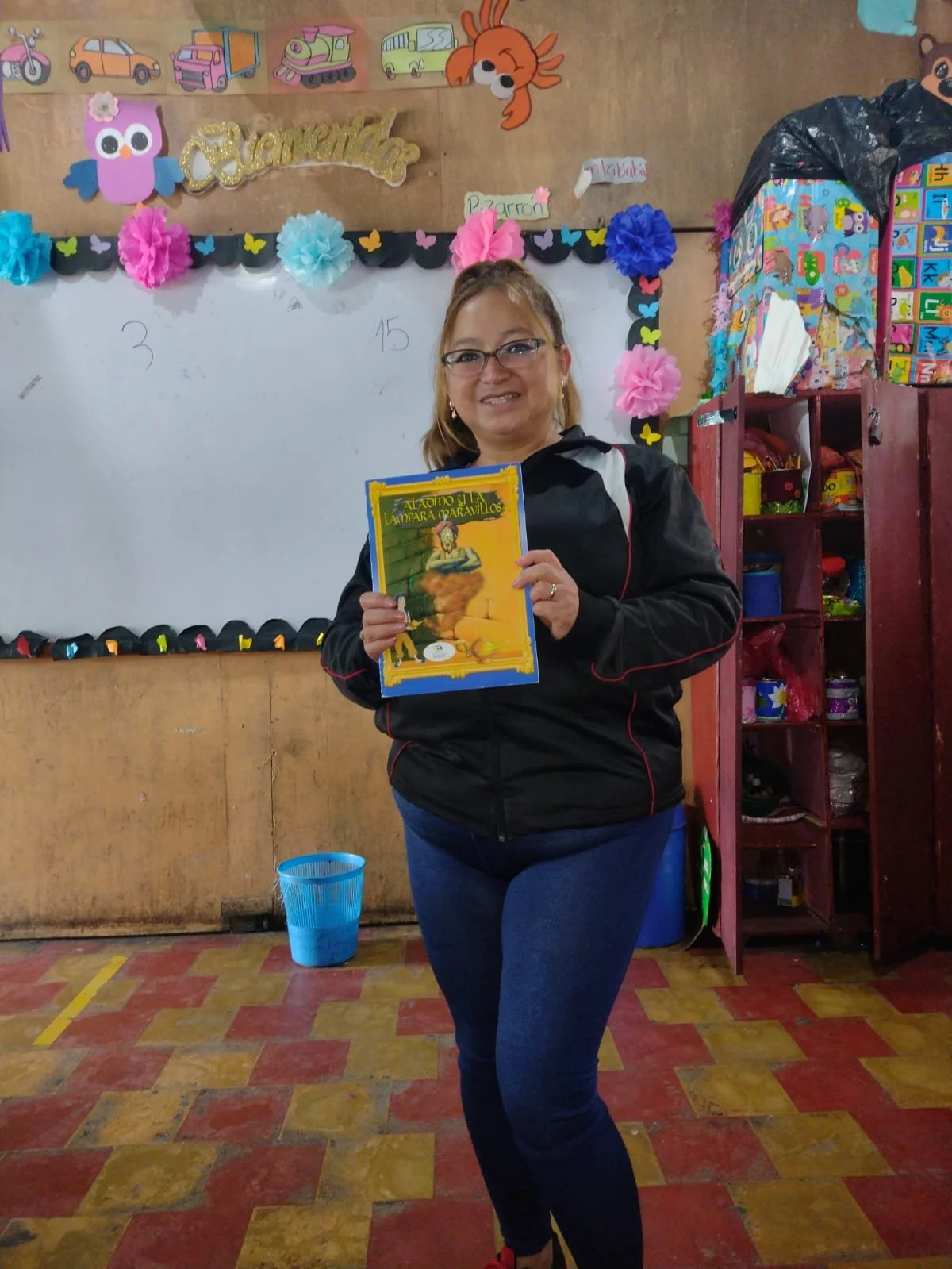
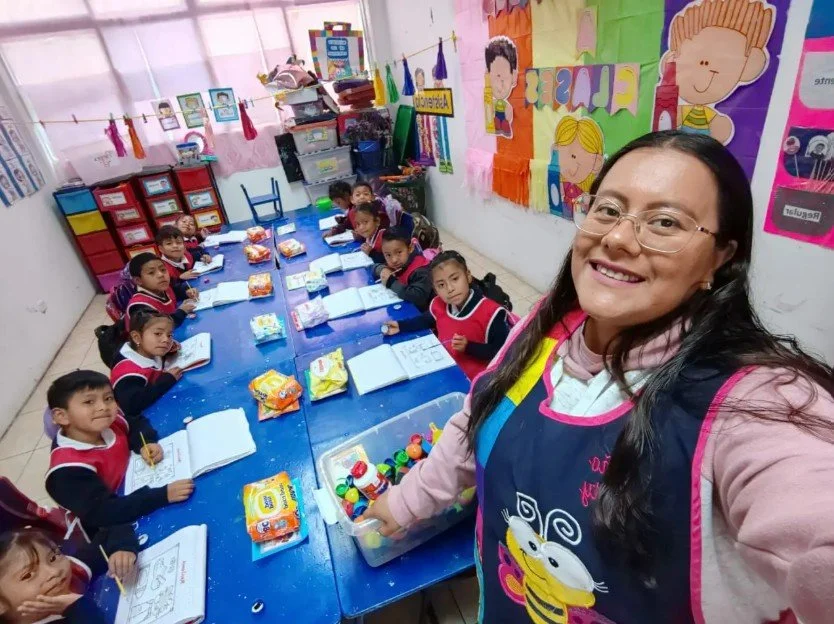
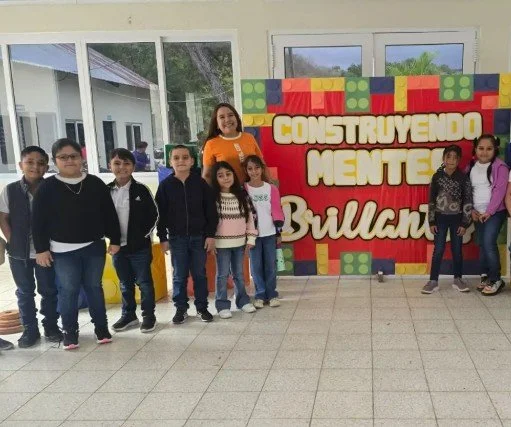
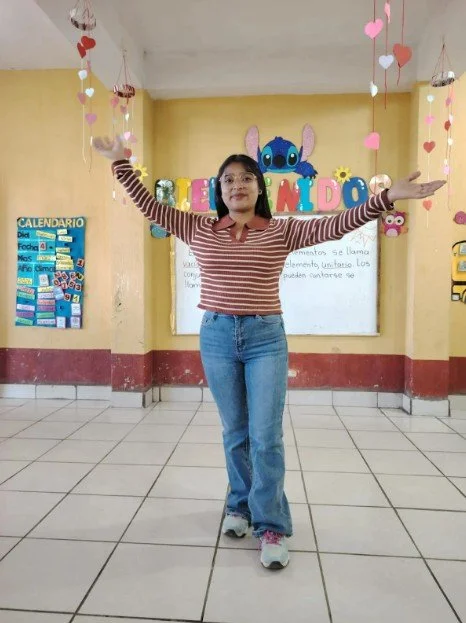
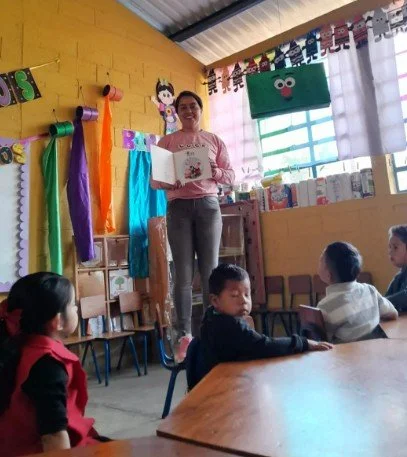
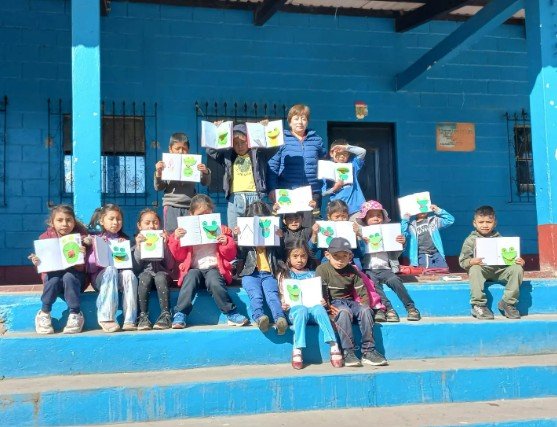
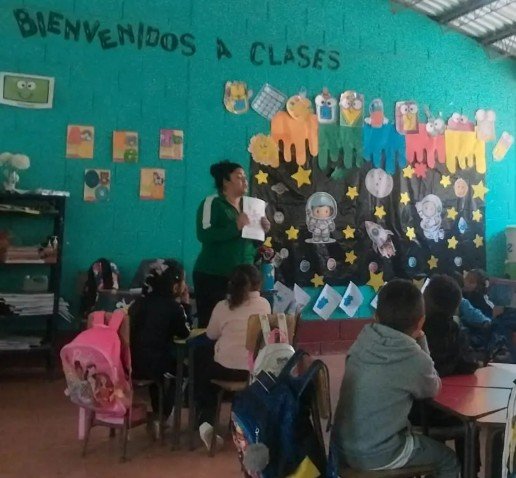
“From this program, I hope to learn more techniques that will help me encourage my students to develop a love for reading throughout their lives. The tools we receive are very important because when we have both the right instruction and the necessary resources, we can create meaningful learning experiences for our children.
My goal is to continue learning every day, apply what I learn with my students, and motivate them to read, imagine, and enjoy the stories they hear and discover in books”
“The tools and resources from the program will help children develop a love for reading. I am a preschool teacher, and even though my students cannot read yet, they understand stories very well and begin to become familiar with letters.
For my students, these tools and resources will help improve their learning and also encourage parents to get involved so that together we can learn as a family.”
“I decided to join the program because I am committed to my professional growth, and believe that continuous learning is essential to providing a high-quality education. I feel inspired and motivated to learn new strategies that strengthen my work in the classroom.
What I hope to gain most from the program are innovative ideas, teaching methodologies, and practical resources that I can apply with my students, as well as enriching my experience through collaboration and exchange with other teachers.””
“I decided to join after learning about the experiences of other colleagues. I was especially interested in the teaching methodology and the strong support system the program offers, which I believe are essential for my professional growth...
...My students will benefit directly by having access to a wider variety of quality reading materials. In addition, having a better-prepared teacher will give them the guidance they need to strengthen their reading, comprehension, and cognitive development.”
“What I hope most from the program is that it continues to be active, dynamic, and full of learning opportunities...
...One of my main goals is to help my students develop an interest in reading from an early age and encourage them to read small books at home in the afternoons.”
“What I hope most from the program is to gain new knowledge, technological tools, and teaching strategies that I can apply in the classroom to make my lessons more dynamic, participatory, and meaningful for my students...
...These tools will help my students learn in a more interactive and enjoyable way, strengthening their participation, critical thinking, and interest in learning.”
“I hope to break out of the routine with my students through innovation and new techniques.
These will help create more meaningful learning experiences.
They will also promote a different kind of learning that is innovative, up-to-date, and encourages us to step out of our comfort zone.”